How We Think
Our Approach
Insights
Let's Grow Together
Get strategic insights that simplify decisions, remove friction, and accelerate performance.
M&A Strategy: Strategic Positions Beats Buying Assets
This shift represents more than a trend; it's a fundamental revaluation of what creates sustainable competitive advantage in the modern economy. Companies are no longer just buying what others own. They're buying what others control, influence, and leverage in the market.
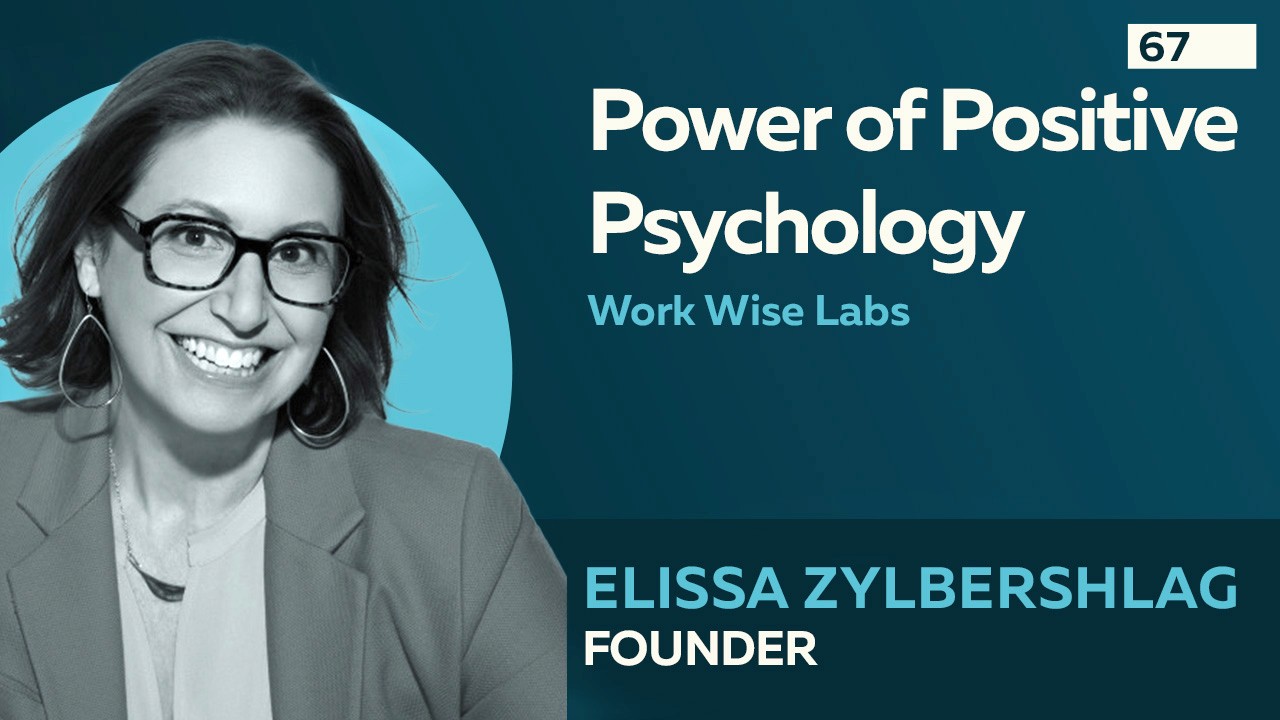
Making Work Feel Better
Heath Fletcher sits down with Elissa Zylbershlag, founder of Work Wise Labs, for a conversation about proactive HR, positive psychology, leadership coaching, and how healthier workplaces do not happen by accident.
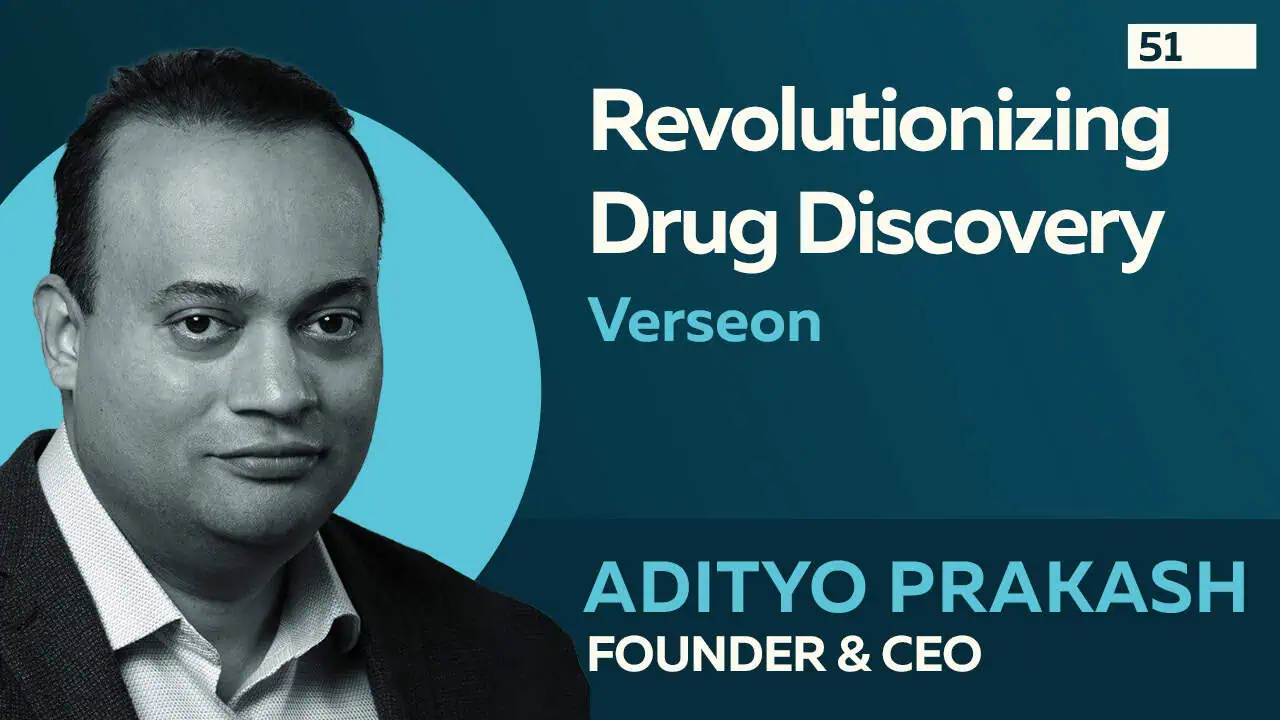
Designing Medicine From the Atom Up
In this episode of the Healthy Enterprise Podcast, Heath Fletcher sits down with Adityo Prakash, Founder and CEO of Verseon, to explore a radically different approach to medicine.
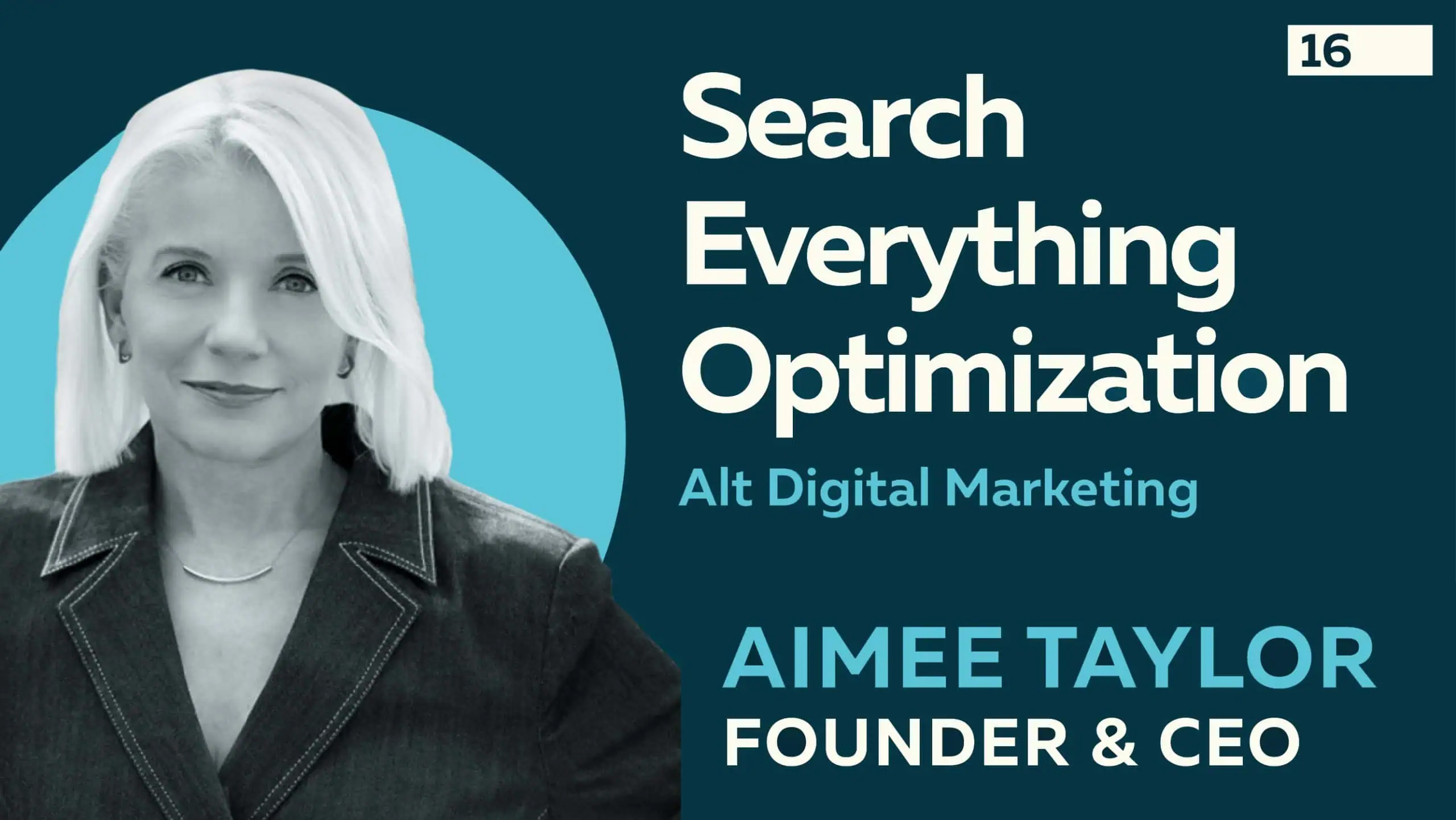
Strategy Before Tactics
In this episode of the Healthy Enterprise Podcast, Heath Fletcher sits down with Aimee Taylor, Founder and CEO of Alt Digital Marketing, to talk about the evolution of marketing, the realities of healthcare marketing today.
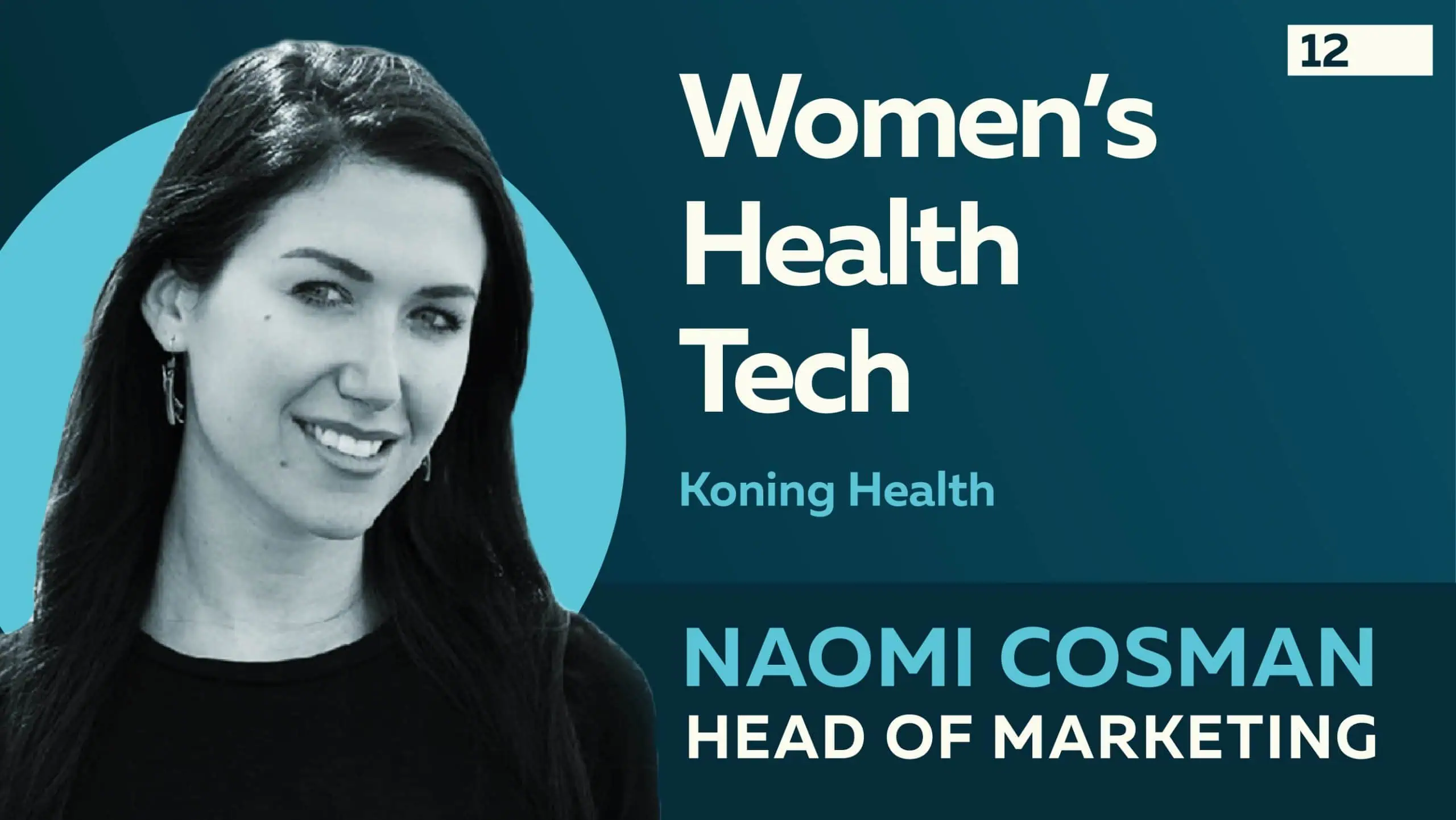
Changing the Breast Imaging Experience
This episode of the Healthy Enterprise Podcast, where Heath Fletcher sits down with Naomi Cosman, Global Head of Marketing and Investor Relations at Koning.
Growth With Discipline
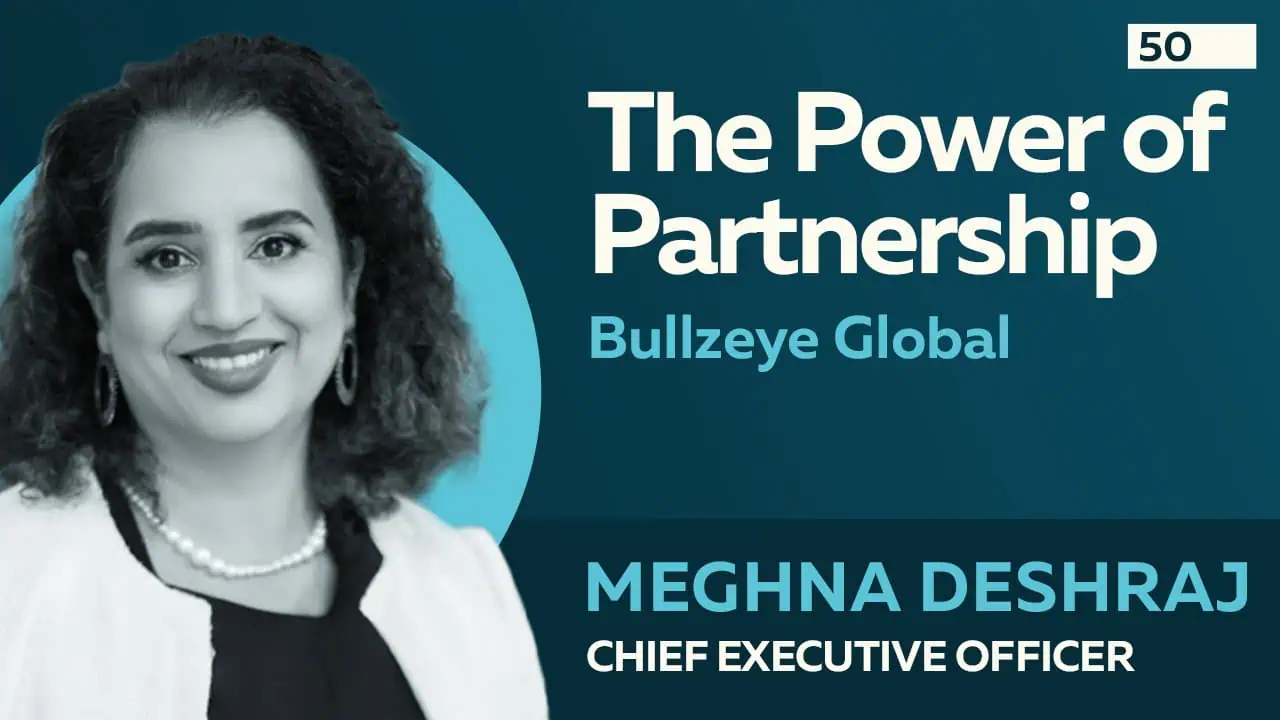
In this special 50th episode of the Healthy Enterprise Podcast, Heath Fletcher sits down with Meghna Deshraj, CEO and Founder of Bullzeye Media Marketing and Bullzeye Global Growth Partners.
When Growth Problems Aren’t Really Growth Problems
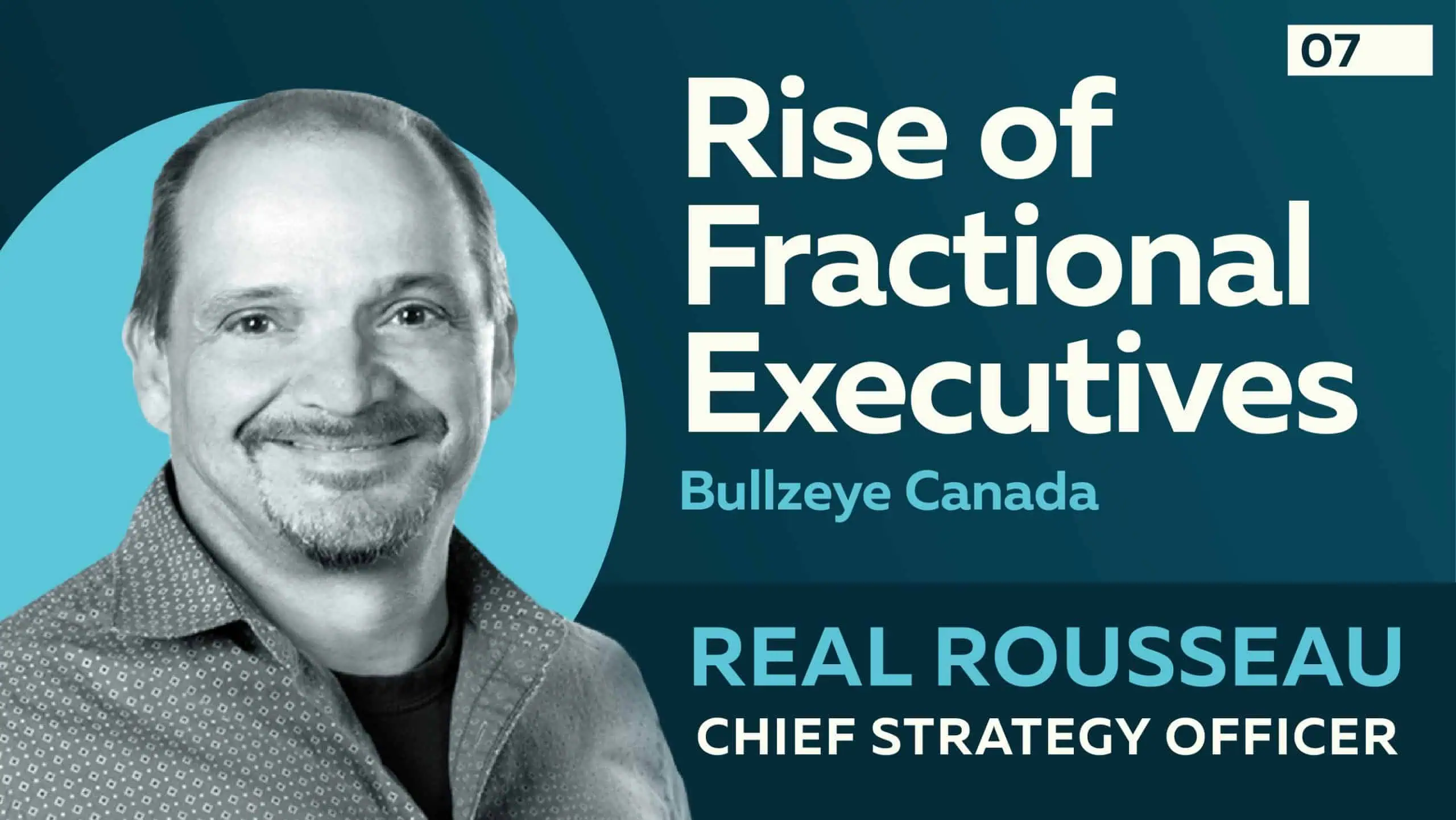
That tension sits at the center of this episode of the Healthy Enterprise Podcast, where host Heath Fletcher sits down with Real Rousseau, Chief Strategy Officer at Bullzeye Media Marketing and Bullzeye Global Growth Partners.
A Surgeon’s Mission to Reinvent Healthcare Access
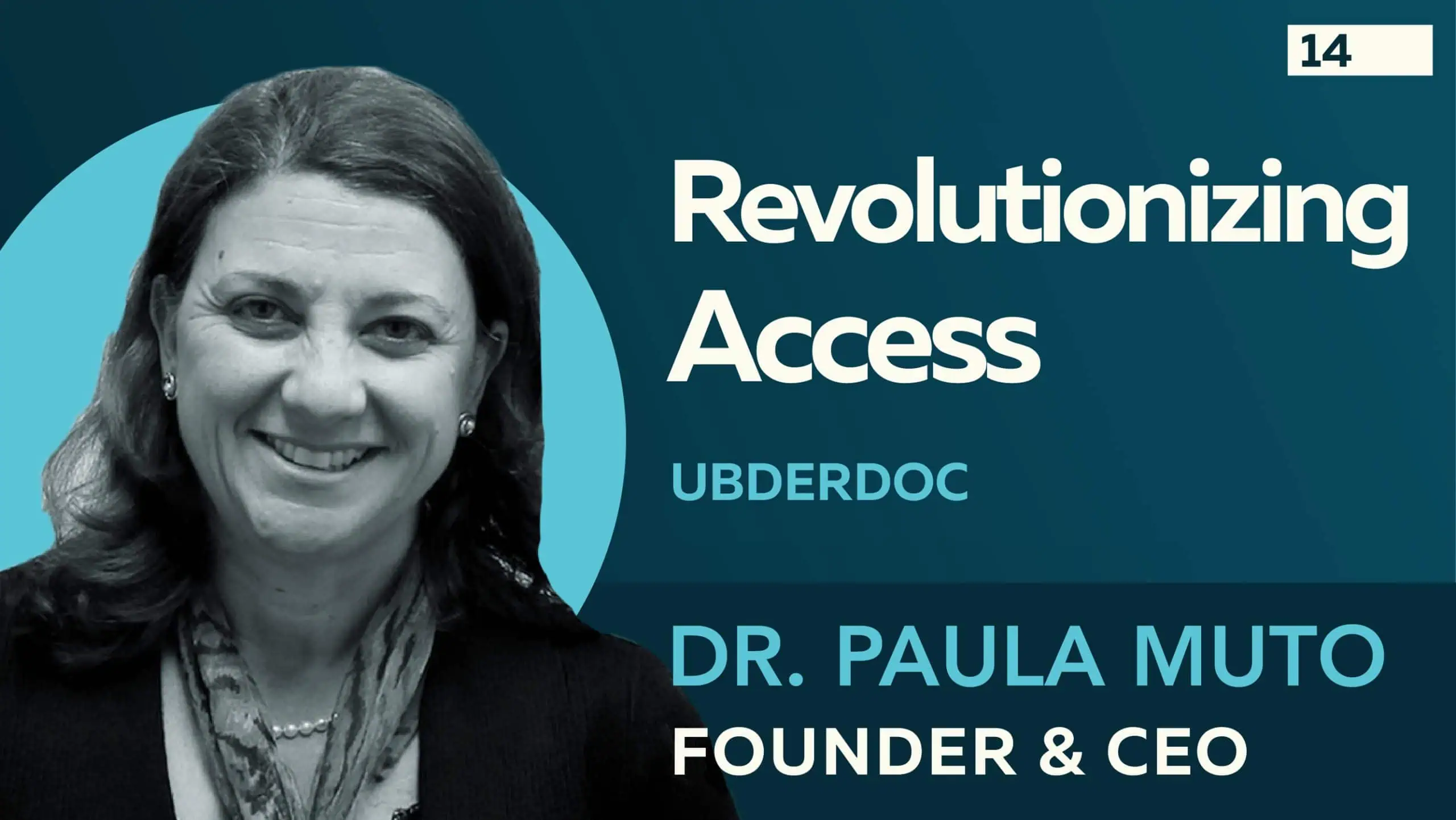
That tension sits at the center of this episode of the Healthy Enterprise Podcast, where host Heath Fletcher speaks with Dr. Paula Muto, a vascular and general surgeon and founder of UberDoc.
What Happens After the Check
Founders who run intensive, high-quality fundraising processes often exhale after the wire clears and treat the investor relationship as something that can be managed at arm's length going forward.
Finding the Right Investor
Most founders optimize their fundraising process around valuation and check size. They seek the highest valuation from the investor willing to write the largest check.
How Investors Think About Governance
Many founders treat early-stage board meetings as compliance exercises: produce materials, present results, answer questions, adjourn. This is a fundamental misunderstanding of what the board does and what it costs when it does not function well.
The Term Sheet Decoded
The term sheet is a non-binding document that summarizes the key terms of a proposed investment. Most of what is in a term sheet will carry forward into the binding legal agreements with minimal change.
Getting VC Attention: What Actually Works
A well-regarded Series A VC partner receives hundreds of inbound company introductions per month. They have capacity to investigate approximately 2 to 5 companies in depth per quarter and make 1 to 2 investments per year.
How Venture Capitalists Actually Make Decisions
Founders who receive VC rejections are often baffled. The business is growing. The team is strong. The market is real. The rejection comes with generic language about 'not fitting the current thesis' or 'not the right stage for us.'
Institutional Investors vs. VC
Founders who have raised institutional capital sometimes describe their investors as 'institutions' without distinguishing between VC funds, family offices, growth equity, corporate venture, hedge funds, and sovereign wealth allocators.
Angel Investors vs. Venture Capital
Founders raising their first or second round regularly use 'angels' and 'VCs' as roughly interchangeable descriptions of the people they are talking to.
Why Venture Capital Is Not Free Money
Equity capital is not free. It is the most expensive form of capital a company can take if the company is successful.
Venture Capital and the Capital Ecosystem
Most founders approach capital as a resource problem. They need money. They go get money. The source of that money matters less than its availability. This framework is dangerously incomplete.
Fractional vs. Interim
Fractional and interim leadership are not synonyms. They are used interchangeably in many conversations, which leads founders to engage the wrong type of leader for the wrong situation.
The Board Conversation
Bringing a fractional leadership recommendation to your board or investors requires preparation. Some investor profiles understand and appreciate the model immediately. Others have a reflex assumption that fractional leadership represents a compromise rather than a strategic choice.
When You Should NOT Hire a Fractional Executive
The most trusted voices in any field are the ones who tell you when their approach is the wrong answer. Fractional leadership is not universally the right model. Understanding when it is not the right model is as important as understanding when it is.
The Accountability Gap
The performance gap between fractional executives and consultants on complex, cross-functional business problems is not a matter of individual talent. Many consulting professionals are exceptional, and many fractional executives are mediocre.
What a Fractional CMO Actually Does in the First 90 Days
The first 90 days of a fractional CMO engagement are not a warm-up period. They are the foundation of everything that follows. Companies that structure the first 90 days poorly report fractional CMO engagements that drift, produce tactical activity without strategic coherence, and fail to build the organizational capability that justifies the investment.
The True Cost Comparison
When founders evaluate leadership options, they compare the number on the offer letter. They see a $180,000 base salary for a VP of Finance and compare it to a fractional CFO at $10,000 per month.
Fractional vs. Consulting: Distinction Founders Get Wrong
A consultant is engaged to produce a defined output within a defined scope. That output has a beginning and an end. A market entry strategy. A technology selection recommendation. A pricing analysis. A competitive landscape document. The consultant delivers the output, presents the findings, and the engagement closes.
Leadership Strategy for Growth-Stage Companies
A fractional executive is a senior leader who holds a defined role within your organization on a part-time, ongoing basis.
Why I Spelled It Wrong on Purpose: The Branding Decision That Built Bullzeye
Bullzeye was intentionally misspelled, not as a mistake, but as a statement. In a world of safe, generic branding, distinctiveness creates curiosity, and curiosity creates connection.
The Hero Trap
Founders often build their companies as heroes, visionary, decisive, and indispensable. But when the organization keeps operating around that hero narrative, growth stalls. Decisions funnel upward, teams wait instead of owning, and dependency quietly becomes culture.
Fractional COO vs Full-Time
Discover when to hire a fractional COO vs full-time COO for your business. Compare costs, benefits, and ROI to make the right choice for operational leadership and growth.
Growth Strategy Engagement: How Long Does It Take?
Growth strategy engagements typically take 4-8 months across 3 phases: Discovery (4-6 weeks), Strategy Development (6-8 weeks), and Implementation (8-16 weeks).
The Death of Incrementalism
Incremental improvements deliver 8-12% annual growth. Breakthrough growth requires strategic bets that feel uncomfortable. Learn when to abandon incrementalism.
The 90-Day Growth Audit Framework [Free Template]
Comprehensive self-assessment framework covering value proposition, sales/operations alignment, strategy clarity, and growth capabilities. Identify and prioritize revenue blockers in 90 days.
Strategic Planning for Mid-Market Manufacturing
Mid-market manufacturers face commoditization pressure from overseas competition. Learn the strategic framework for moving upmarket to engineered solutions and premium pricing.
Growth Strategy for Service-Based Businesses
Service businesses face unique scaling challenges: capacity constraints, quality consistency, and people dependency. Learn the 5-lever framework for sustainable service business growth.
Sales/Operations Misalignment: $2M Revenue Leak
Sales and operations misalignment costs mid-market companies $1.5-2.5M annually through churn, delayed revenue, and wasted capacity. Learn how to fix structural disconnect.
Why Companies Get Stuck at $10M Revenue
Companies plateau at $10M because growth requires fundamentally different capabilities than getting to $10M. Learn the 6 critical transitions and how to break through the ceiling.
How to Measure Growth Strategy Success
Most companies measure growth strategy success by looking at a single outcome metric: revenue growth. Did we hit our revenue target? If yes, the strategy worked. If no, it failed.
The Embedded Partnership Model Explained
The embedded partnership model combines strategic consulting with hands-on implementation. Learn how it differs from traditional consulting and why it delivers 2-3x better results.
Revenue Optimization vs Growth Strategy
Revenue optimization maximizes what you're doing (15-35% gains in 3-6 months). Growth strategy decides what you should do (40-200% gains in 12-24 months). Learn when to use each.
Strategy Consulting for Mid-Market: What Works
Discover what works in strategy consulting for mid-market companies. Learn proven approaches, cost-effective solutions, and practical frameworks that drive real growth.
7 Signs Your Growth Strategy Is Just a To-Do List
Real strategy requires hard choices about what NOT to do. If your plan has 15+ initiatives with no clear priorities, it's a to-do list. Learn the 7 warning signs and how to build actual strategy.
The 5 Most Common Revenue Blockers [2026 Data]
Analysis of 127 mid-market companies reveals 5 revenue blockers costing $1.5-2.3M each annually. Companies that addressed these blockers saw 47% average revenue growth within 18 months.
Full-Service vs Embedded Consulting
Compare full-service vs embedded consulting models. Learn the key differences, benefits, and which approach best fits your business needs for strategic transformation and sustainable growth.
How Long Does a Growth Strategy Engagement Take?
Growth strategy engagements typically take 4-8 months across 3 phases: Discovery (4-6 weeks), Strategy Development (6-8 weeks), and Implementation (8-16 weeks). Learn what to expect at each stage.
What Is Embedded Consulting?
Discover what embedded consulting is and how it transforms businesses. Learn the benefits, ROI, and when to hire embedded consultants for sustainable growth and competitive advantage.
Stop Calling It Strategy If Nothing Actually Changes
For Leaders Who Are Done With Incrementalism - it’s time to break the status quo. Most organizations don’t fail because they lack ideas, talent, or ambition. They fail because they keep protecting the familiar.
The Hidden Cost of “Full-Service” Consultancies
The “we do everything” model sounds efficient, but it dilutes expertise and slows progress. Specialized consultants bring focused insight, faster execution, and the strategic edge high-growth organizations need.
The Future of Strategic Consulting Isn’t Hourly. It’s Shared Value.
Most consulting models fall into two camps: pay for time, or pay for outcomes. On paper, both look reasonable. In practice, one keeps you stuck in predictable, but limited, cycles, while the other opens the door to shared momentum and real strategic traction.